

Microsoft’s Latest Solar PPA Signals a Shift in How Large Buyers Are Thinking About Power
June 29, 2026
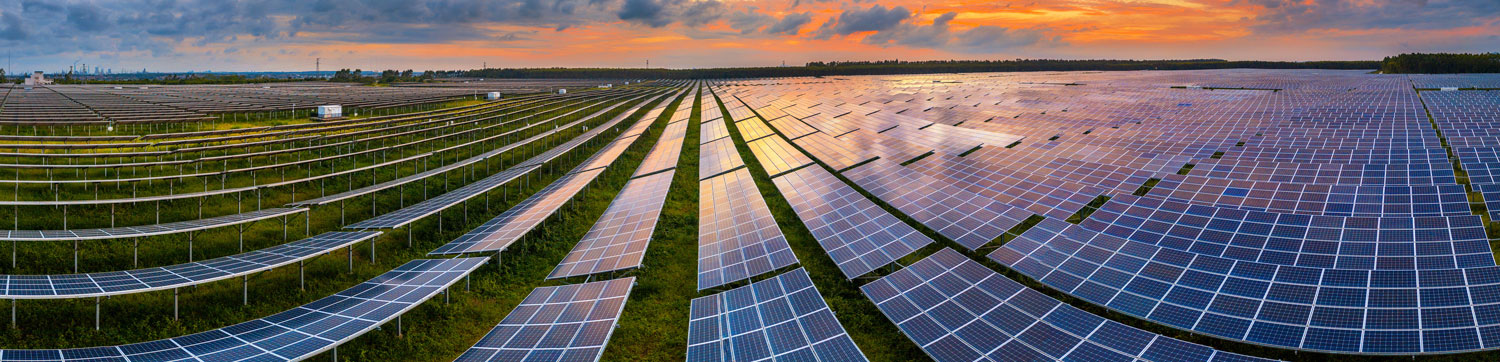
MN8 Energy recently brought two utility-scale solar PV plants totalling 260MW into commercial operation, with Microsoft as the offtaker on a long-term power purchase agreement. It's a significant milestone, but the more useful story isn't in the headline numbers. It's in what this deal reflects about where corporate energy procurement is heading.
Large Buyers Are Locking In Supply Before the Market Gets Tighter
Microsoft has been one of the more active corporate energy buyers in the US for years. This PPA with MN8 isn't a one-off transaction. It's part of a deliberate, ongoing strategy to secure clean power capacity well ahead of demand. That approach is worth paying attention to.
The companies moving fastest on renewable procurement right now aren't reacting to energy costs. They're anticipating them. Utility rates are climbing in most US markets. Grid reliability is under increasing pressure in regions with high load growth. And the pool of shovel-ready, bankable solar projects isn't unlimited.
For C&I organizations that haven't yet secured long-term renewable supply, the window to act on favorable terms is narrowing. That doesn't mean panic. It means planning. Organizations that start the evaluation process now, well before they need the power, tend to get better pricing, better contract terms, and more options on project structure.
Microsoft can deploy significant resources to energy strategy. Most C&I organizations can't. But the underlying logic is the same: locking in long-term supply agreements during periods of relative market access is smarter than waiting until procurement becomes urgent.
What 260MW of New Capacity Actually Represents
Two plants, 260MW total, reaching commercial operations at the same time is operationally significant. Utility-scale solar development involves years of site control, interconnection queues, permitting, financing, and construction. Getting two projects across the finish line in parallel takes real organizational depth.
For buyers evaluating IPP partners, this kind of milestone matters more than marketing claims. It tells you whether a developer can actually execute. Construction timelines in solar have been compressed in some markets, but interconnection delays and supply chain variability still create real risk. Projects that reach COD on schedule reflect disciplined project management.
For organizations considering distributed generation or smaller commercial-scale solar arrangements, the principles translate directly. The developers worth partnering with are the ones with a track record of getting projects built, not just announced. Ask about projects completed, not just projects in development.
The MN8 milestone also reflects continued momentum in US utility-scale solar deployment. Even with shifting policy discussions around tax incentives and tariffs, capacity additions are continuing. Domestic manufacturing investment is growing. The supply chain is maturing. That's a constructive backdrop for buyers looking to move on solar procurement in the next 12 to 36 months.
PPAs Are a Planning Tool, Not Just a Procurement Mechanism
One thing large buyers like Microsoft understand well is that a PPA isn't just a way to buy power. It's a planning instrument. A well-structured agreement locks in price certainty, aligns energy supply with operational timelines, and can support sustainability reporting commitments with real, traceable generation.
For C&I organizations exploring their first PPA, or evaluating whether an existing agreement still fits their strategy, there are a few things worth thinking through carefully.
First, contract length matters a lot. Most utility-scale PPAs run 10 to 20 years. That's a long commitment, and the terms you negotiate upfront will shape your exposure for a long time. Understanding how pricing escalators work, what happens during curtailment events, and how the agreement handles grid constraints in your region is essential before signing.
Second, behind-the-meter and front-of-the-meter arrangements carry different risk profiles. A rooftop or carport solar installation on your facility gives you direct operational control. A utility-scale PPA delivers financial and sustainability benefits but involves transmission and settlement mechanisms that require some fluency to evaluate properly.
Third, pairing solar with battery energy storage is increasingly relevant to how buyers structure these deals. Storage adds optionality, reduces dependence on peak-hour grid pricing, and strengthens the value case in markets with high curtailment risk. It's worth modeling storage scenarios early, not as an add-on after the solar economics are set.
What Carbon Accounting Has to Do With This
Deals like the MN8-Microsoft PPA often get framed purely as clean energy procurement. But for organizations with formal emissions reduction targets, there's a carbon accounting dimension that deserves attention.
When a company signs a PPA with a solar generator, it typically receives Renewable Energy Certificates alongside the power. RECs are the mechanism by which organizations make claims about the renewable origin of their electricity consumption. How those RECs are structured, whether they're bundled or unbundled, and whether they correspond temporally and geographically to actual consumption matters significantly to the integrity of Scope 2 emissions reporting.
Organizations pursuing Science Based Targets, GHG Protocol alignment, or RE100 commitments are facing increasing scrutiny on the quality of their renewable energy claims. Hourly matching and locational granularity are becoming expectations, not just aspirations, for leading corporate buyers.
If your organization is working toward emissions targets that will face external review or third-party verification, building that rigor into your energy procurement strategy from the start saves significant rework later. It also strengthens your position in sustainability disclosures to investors, customers, and regulators.
Carbon credit strategies can complement renewable energy procurement, but they work best when layered onto a foundation of direct emissions reduction. The organizations doing this well aren't treating offsets as a substitute for procurement. They're using them strategically to address residual emissions while primary reductions take effect.
Early-Stage Evaluation Is Where the Advantage Gets Built
The MN8 and Microsoft deal will likely get filed away as another large tech company signing another clean energy agreement. But for C&I energy and sustainability teams, the more useful takeaway is about process and timing.
Microsoft didn't sign this PPA because a project happened to be available and the timing was convenient. These agreements take months to negotiate, and the projects they're tied to take years to develop. The alignment between buyer need and project readiness happens because sophisticated buyers stay close to the market and engage developers well ahead of their actual procurement windows.
For organizations with energy cost exposure, sustainability commitments, or operational resilience concerns, the same principle applies. The companies that end up with the best renewable energy agreements are usually the ones that started evaluating their options 18 to 36 months before they needed to act.
That means understanding your load profile now. Modeling different procurement structures now. Getting familiar with the interconnection landscape in your region now. And building relationships with developers who have a track record of delivering, not just pitching.
The market will keep moving. Projects will get built, contracted, and closed. Organizations that stay ahead of their own procurement timelines will have more choices, better economics, and more strategic control over how they get there.
Source: PV Tech 